
Lab Weekly - 10/24/2025
Analyzing the Apple-F1 deal; Plus, the latest news from OpenAI, Netflix, and Samsung; Plus, more must-know news and stats

Want this newsletter in your inbox every week? Sign up for our mailing list here

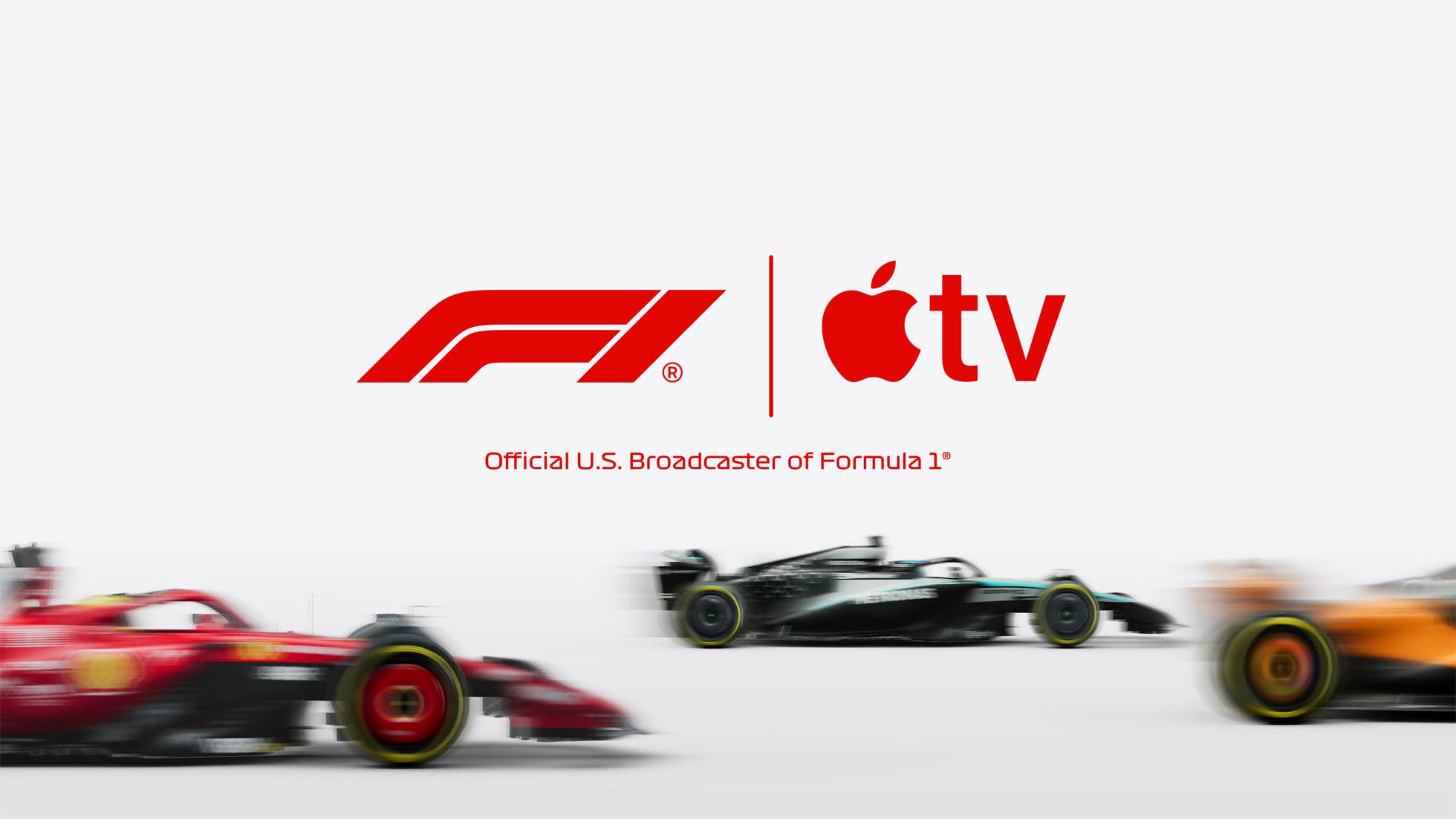
Why the Apple-Formula 1 Partnership is Major Deal
And what it says about the current sports media landscape and future brand opportunities
In case you missed it…
The Future of Investing: Community-Driven & Gamified
Losing trust in legacy finance and leery of new fintech offerings, young people are increasingly relying on their own communities and intuition for advice
Apps in ChatGPT & OpenAI’s Platform Dream
What brands need to know about OpenAI’s Dev Day 2025 event
Sora and Vibes: AI Video Now Officially Going After Social Media
Here are some implications and opportunities for brands and marketers to consider


OpenAI Takes on Google With Atlas AI Browser [AdWeek]
OpenAI’s new Atlas browser pushes the company directly into the AI–browser wars, staking a claim in search, shopping, and ad data while touting agentic features like Instacart integration. Overall, it feels like a defensive move against Google’s steady integration of Gemini into Chrome. The reality is that, despite their flashy “chat with your tabs” promises, AI browsers haven’t dented regular web browsers in terms of usage. Unless you do a lot of research in your browser, “chat with your tabs” can feel like a solution in search of a problem.
AI browsers, as they exist today, don’t clear the bar to dislodge Chrome/Safari/Edge for most people. Switching costs, IT policies, and privacy uncertainty further slow adoption. That said, a younger, AI-native cohort may treat an AI browser as the obvious starting point. In other words, mass migration now is unlikely, but for Gen Alpha and younger that grow up with AI, AI browsers are the new default.
Related: OpenAI announced it will crack down on deepfakes made with Sora 2 following concerns from SAG-AFTRA [CNBC]; OpenAI buys Sky, an AI interface for Mac [TechCrunch]
Netflix To Release ‘Stranger Things’ Series Finale Simultaneously In Theaters & On Streaming [Deadline]
In a move designed to eventize the much-anticipated conclusion of “Stranger Things,” Netflix will be releasing the feature movie-length series finale episode in over 350 theaters in the U.S. and Canada starting on December 31, 2025 at 5 pm PT, the same time the series finale drops on Netflix globally, While there has been plenty of precedents for stunt theatrical engagements of hit TV shows, this is the first time a streamer is debuting an episode of a TV show in theaters and on streaming simultaneously.
Notably, Netflix, a company that had long rejected theatrical distribution, is starting to soften its stance with limited releases for selected film titles, including KPop Demon Hunters sing-along events this summer and fall, as well as expanded theatrical engagement for movies such as Frankenstein, Wake Up Dead Man, and Greta Gerwig’s upcoming Narnia film. More and more brands are realizing that, in a world where everything is on-demand and one-click away, the real premium is the experience that can only happen when fans get together.
Related: Apple TV and Peacock to launch new streaming bundle [IGN]; Netflix inks major deals with Mattel and Hasbro for ‘KPop Demon Hunters’ toys, games and products [THR]
Samsung Unveils New Galaxy XR Headset [Bloomberg]
Samsung unveiled the Galaxy XR, the first headset running Google’s new Android XR platform. It features dual 4K micro-OLED displays, advanced eye- and hand- tracking with iris authentication, and it will lean on Gemini Live for hands-free, context-aware control and ships at $1,799.99 in the U.S. To sweeten the deal and incentivize early purchase, the Galaxy XR headset users will also get an Explorer Pack that bundles a year of Google AI Pro, YouTube Premium, Play Pass, and more with purchases through the end of 2025.
Mixed reality adoption is still searching for a mainstream wedge, and Samsung is trying a “third lane” between Apple’s high-end productivity play and Meta’s low-cost gaming focus. On paper, Galaxy XR’s strengths are Android-wide app compatibility, tight YouTube/ Google Maps integrations, and PC-VR support. But its still-too-high price tag and limited use cases make it a tough sell against cheaper Quests for VR gaming and Vision Pro for pro workflows. In the near term, we expect its adoption to skew toward enthusiasts, Android power users, and select enterprise pilots rather than a broad consumer wave.
Related: Meta Quest 3S VR headset is on sale for $250 again [UploadVR]; Samsung rolls out a Perplexity TV app, which works alongside Samsung’s Vision AI Companion, on its 2025 TV [Engadget]
Situational Awareness:
Warner Bros. Discovery is officially considering acquisition offers [Variety]
Warner Bros. Discovery has begun a formal review of “strategic alternatives” after fielding multiple inquiries, signaling it’s open to acquisition offers; the move reportedly reassures some in Hollywood that a Paramount tie-up is off the table, yet stokes broader anxiety about further consolidation of libraries and competitive power. Apple has reportedly expressed interest in acquiring the company’s extensive film and TV library, as well as production assets. WBD CEO David Zaslav framed the process as seeking to “unlock the full value” of WBD’s assets, while adjacent moves, such as an immediate HBO Max price increase, underscore a push to maximize monetization ahead of any potential transaction.
General Motors to add Google Gemini to its vehicles next year [CNBC]
GM plans to roll out Google Gemini in its vehicles starting in 2026 and plans an advanced driver-assistance system with eyes-off driving capabilities in 2028. As more AI assistants become integrated into connected car dashboards, the future of in-car marketing will be mediated by an AI concierge, not a dashboard banner. Therefore, brands interested in reaching customers in cars will need to design voice-activated, utility-forward interactions that the AI assistants can confidently recommend and execute.
United-JetBlue partnership begins with earning, redeeming on either airline [The Points Guy]
United Airlines and JetBlue have launched a new partnership called Blue Sky, allowing members of each airline’s loyalty program to earn and redeem points or miles on the other’s flights. Moreover, reciprocal elite status benefits between the two airlines, including priority boarding and extra-legroom seating, are expected to debut in early 2026. This move widens both carriers’ addressable demand, while nudging U.S. loyalty toward flexible coalitions rather than all-or-nothing alliances. It will be interesting to see how the other airlines respond.
YouTube launched a likeness detection tech [TechCrunch]
YouTube launched its likeness detection tech, which lets eligible creators in its Partner Program easily request the removal of AI-generated content with their likeness. For YouTube creators, and the brands that work with them, this is a meaningful step toward better brand safety protection against AI deepfakes. However, requested removals aren’t guaranteed, and the early rollout of this detection tool can misflag non-AI videos, so brands working with creators will still need to diligently monitor any potential unauthorized synthetic content.

A majority of Gen Z workers are turning to AI chatbots during the workday for personal reasons, including mental health support, with 40% saying they talk to AI for at least an hour every day, according to a new Resume.org survey. While older generations might describe ChatGPT as a “tool,” 47% of Gen Z say it feels far more personal; 34% admit to confiding in AI chatbots about things they’ve never told another person.
ChatGPT is now 20% of Walmart’s referral traffic, while Amazon wards off AI shopping agents. Citing data from Similarweb, Modern Retail reports that one in five of Walmart’s referral clicks in August came from ChatGPT, up 15% from July. Other retailers are seeing a lift, too: ChatGPT now drives more than 20% of referral traffic to Etsy, nearly 15% to Target and 10% to eBay.
EssilorLuxottica said a healthy amount of its revenue growth in the third quarter was due to its partnership with Meta, primarily from its Ray-Ban brand, to develop and sell smart glasses, CNBC reports. The European eyewear company said sales in in the quarter grew 11.7% year-over-year to 6.9 billion euros (about $8 billion) from 6.44 billion euros a year earlier. Of that growth, more than 4 percentage points came from wearables, which includes the Meta products, the company said.

If you find our insights valuable and would like to have a deeper conversation on technology and media innovations, or need to sound smarter in a client meeting or a pitch, please feel free to reach out to Ryan Miller, our Director of Partnerships, at ryan.miller@ipglab.com.
If you liked this edition of Lab Weekly by IPG Media Lab, why not share it?
This article comes at the perfect time. What if the AI-native cohort truly redefines browser utilty?