
Lab Weekly - 04/11/2025
Decoding the Minecraft Movie’s big success; Plus, the latest about TikTok, Amazon Haul, ChatGPT, and more must-know news and stats

Want this newsletter in your inbox every week? Sign up for our mailing list here

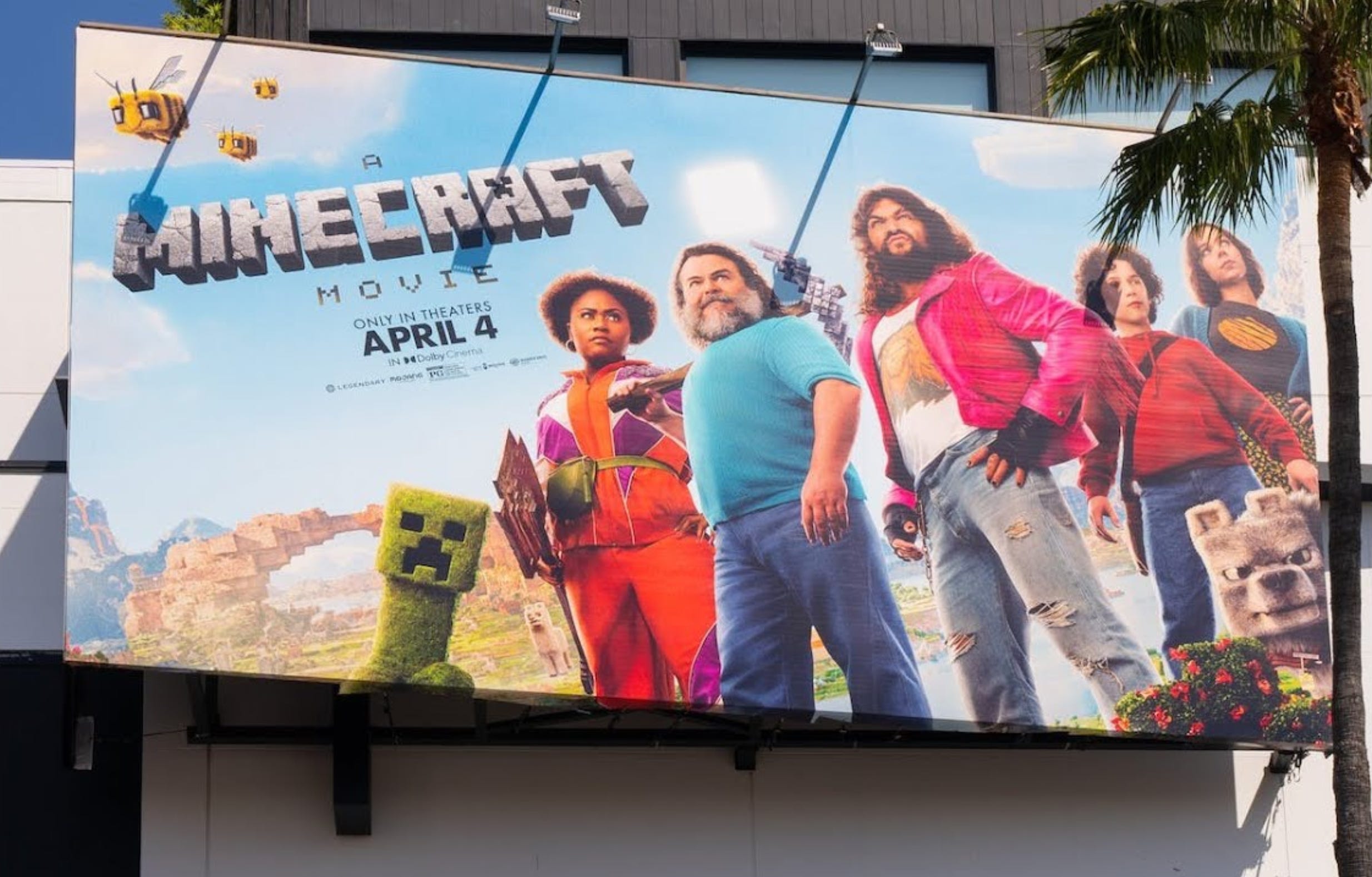
How “A Minecraft Movie” Became a Meme-Fueled Hit
Decoding how the latest video game adaptation became a huge hit by riding on memes, deeply engaging its fan base, while also appealing to broader audiences
In case you missed it…
Decoding the AI Revolution of UGC
UGC-driven influencer marketing facing a moment of reckoning, thanks to the explosion of generative AI-powered creative tools
Google Gemini’s Busy March: What Brand Marketers Need to Know
Unpacking what Google’s recent Gemini updates mean for brand marketers
Microsoft Advertising Accelerate 2025: Event Recap
A quick recap of Microsoft’s latest AI ad products and what they mean for brands and the digital marketing at large


TikTok’s Latest TV Binge Is A Fictional ‘Group Chat’ Meltdown [Rolling Stone]
The latest hit series with Gen Z audience is not on TV, but on TikTok. The Group Chat, a fictional drama series about a chaotic group of girlfriends navigating petty arguments and interpersonal drama, has captured TikTok’s attention, racking up over 29 million total views and netting creator Sydney Robinson over 1 million followers. Celebrities like Charlie Puth and brands such as OpenTable and Heinz have jumped on the bandwagon with appearances.
The success of this series once again underscores Gen Z's growing appetite for episodic content created and consumed within the content feeds they are already scrolling through. Serialized content on social media represents a new binge model—spontaneous, platform-native, and creator-led. Brands that engage early with viral creators or even co-create content can become part of the fan culture, not just advertisers around it.
Related: Trump to extend TikTok ban enforcement deadline again for 75 days [CNN]; Instagram is beefing up its search to compete with TikTok [TechCrunch]
Amazon Expands Haul With Name Brands, Faster Shipping [The Information]
Amazon is expanding its budget shopping platform Amazon Haul—originally limited to unbranded goods from China—to now include branded products from companies like Adidas, Levi’s, and Gap, shipped from U.S. warehouses for faster delivery. This shift comes ahead of the elimination of the de minimis exemption taking effect on May 2, which Amazon Haul previously relied on to import affordable goods duty-free.
This strategic pivot reflects a broader trend in social commerce, where platforms are increasingly pushed to onshore supply chains or collaborate with domestic sellers to stay competitive amid tightening trade restrictions. Amazon’s ability to pivot quickly and leverage its domestic logistics network gives it a competitive edge over its Chinese competitors. For DTC brands, this creates an opportunity to reach budget-conscious shoppers while maintaining control over pricing and delivery time.
Related: Tariff Loophole That Helped Temu, Shein Will Close May 2 [Bloomberg]; Trump triples tariff that affects packages from Shein, Temu [Axios]; QVC is betting on TikTok Shop to help revive its live shopping business [CNBC]
OpenAI Updates ChatGPT To Reference Your Past Chats [TechCrunch]
OpenAI is rolling out a more seamless memory feature in ChatGPT, allowing it to remember past conversations and customize responses accordingly. Unlike earlier versions, which required user prompts to update the chatbot’s memory, this feature will work automatically for users who already have this feature enabled.
This rollout highlights the growing need to bridge the consumer trust gap. In this case, tailored responses informed by chat history can create a sense of continuity and thus make an AI chatbot feel more like a familiar, attentive companion to users, which, in turn, can enhance perceived trustworthiness. However, that familiarity also raises the stakes for transparency. If users aren't fully aware of what is being remembered or how it's being used, the same feature that builds trust can also erode it.
Related: OpenAI is getting ready to launch a collection of new models and features [The Verge]; OpenAI has discussed buying Jony Ive and Sam Altman’s AI device startup [The Information]; Meta releases Llama 4, a new crop of flagship AI models [TechCrunch]
Situational Awareness:
Snap released sponsored AI lenses, a new interactive gen AI ad format [AdExchange]
Early activations from Tinder and Uber Eats cited in the source article showcase how brands can show up in Snapchat users’ everyday moments in more playful, participatory ways. While the format is currently limited to premium, managed-service campaigns, it reflects Snap’s strategy to position AI as a creator tool rather than a replacement, as the company seeks to differentiate its ad offerings in a crowded digital landscape.
Rebooted Digg launches early-access community with $5 fee [TechCrunch]
Digg’s previously announced reboot is officially in motion, with early access open to a new community called “Groundbreakers.” For a $5 fee—meant to deter bots, not to raise funds—members get first dibs on usernames and bragging rights as early adopters. Reportedly, nearly 3,000 people had joined so far. No doubt, this is a Millennial nostalgia play, at a time when even Gen Z is feeling nostalgic for the Millennials’ heyday. But if it lands, it could also be an interesting experiment on what social news could look like next.
Netflix launches Black Mirror-themed game to promote new season [The Verge]
Brands are increasingly leveraging gamified experiences to deepen emotional engagement, turning passive viewers into active participants. In this case, the game functions as both a product extension of and a marketing vehicle for the show. This is made possible thanks to Netflix’s investments in gaming, which has lately shifted to a more intentional release strategy and to become platform agnostic.
Google Used AI to Re-Create ‘The Wizard of Oz’ for the Las Vegas Sphere [WSJ]
&
Amazon Kindle’s new feature uses AI to generate recaps for books in a series [TechCrunch]
I’m grouping these two stories together to talk about how AI is being used to enhance and augment legacy content for audiences. In both cases, AI is deployed as a bridge between past content and present-day consumption habits, enhancing accessibility and immersion—whether on a massive cinematic canvas or a handheld reading device. However, this trend also raises the question of authenticity and creative ownership in an AI-mediated media experience.

41% of US advertisers expecting budget cuts due to tariffs plan to cut from social media, while 24% plan cuts to linear TV and gaming, MarTech reports, citing a recent survey from the Interactive Advertising Bureau. Most advertisers (60%) expect a six to 10% ad budget decline due to tariff-related pressure, the IAB survey found.
In 2024, traditional TV accounted for less than half of US total video subscription revenues (48.2%) for the first time. Traditional TV will account for just 36.1% of total video subscription revenues by 2027, down from 66.0% in 2021, according to the latest forecast from eMarketer.
The number of women's sports bars are expected to quadruple across the U.S. in 2025, NBC News reports, from six at the start of 2025 to about two dozen by the end of the year. The boom coincides with the soaring viewership and popularity of professional and college women’s sports.
Canadian gamer Andre Rebelo, known online as Typical Gamer, is the first creator to gain one million followers on Fortnite, Tubefilter reports. Last year, he launched JOGO, a Fortnite Creative studio that hauled in $7 million in its first year.

If you find our insights valuable and would like to have a deeper conversation on technology and media innovations, or need to sound smarter in a client meeting or a pitch, please feel free to reach out to Chelsea Freitas, our VP of Strategy, at chelsea@ipglab.com.
If you liked this edition of Lab Weekly by IPG Media Lab, why not share it?